Full disclosure: I was never much of an Atari fan growing up in the 1980s and ‘90s. Which isn’t to say I didn’t rarely play on Atari systems or have an appreciation of what Atari represented. It’s just that we moved from a Spectrum to an Amiga at home, and console-wise I was all about SEGA. There was one kid in our class who had an Atari ST, and another who had an old 2600 that sat beside their NES, but that was it. If there’s one abiding memory of Atari in the early ‘90s it’s the aggressive advertising of the Jaguar. And look how that one panned out.


It’s only as an adult that I’ve come to properly respect what Atari pioneered, the foundation it laid so that others could build their own empires – even as Atari’s own crumbled. And it’s only as an adult that I really came to understand the importance of Atari’s 8-bit home computers, so easily overshadowed by its arcade and console successes. The 2600 is obviously iconic for its own reasons, but the 8-bit family, introduced with the Atari 400 and 800 in 1979 (two years after the launch of the then-named VCS), was successful enough to span several models. And like the Spectrum, the Commodore 64 and the Apple II, these were home computers that were also very capable of running great video games. To many owners, they were game machines first and everything else second.
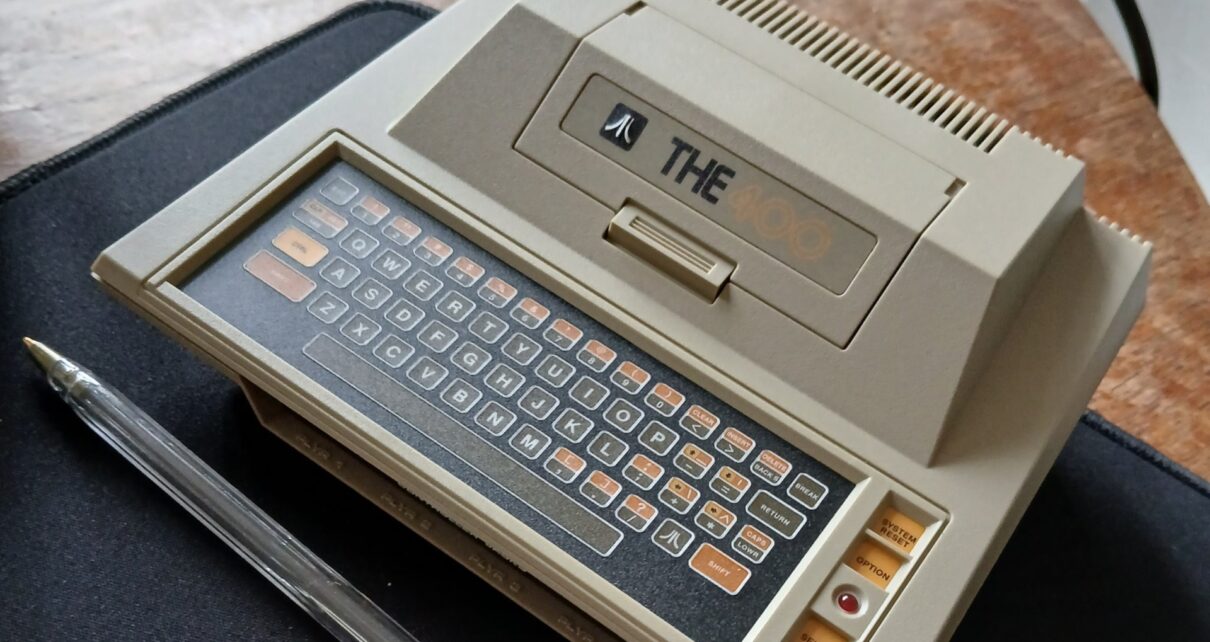
Which is why the release of THE400 Mini – a half-proportioned modern micro-console version of the Atari 400, presented in authentically beige plastic and featuring an aesthetically appealing but functionally useless keyboard evoking the membrane-styled original – is so fascinating. Really! This is a reminder, if one was needed (personally, I feel it was), that Atari’s home computers could really flex some serious gaming muscles. But before I get into the 25 pre-installed games – side-loading of 8-bit family and 5200 console ROMs, like the A500 Mini before it, is exceptionally easy to do, for when you want to expand that number – let’s look at the hardware and what it can do.
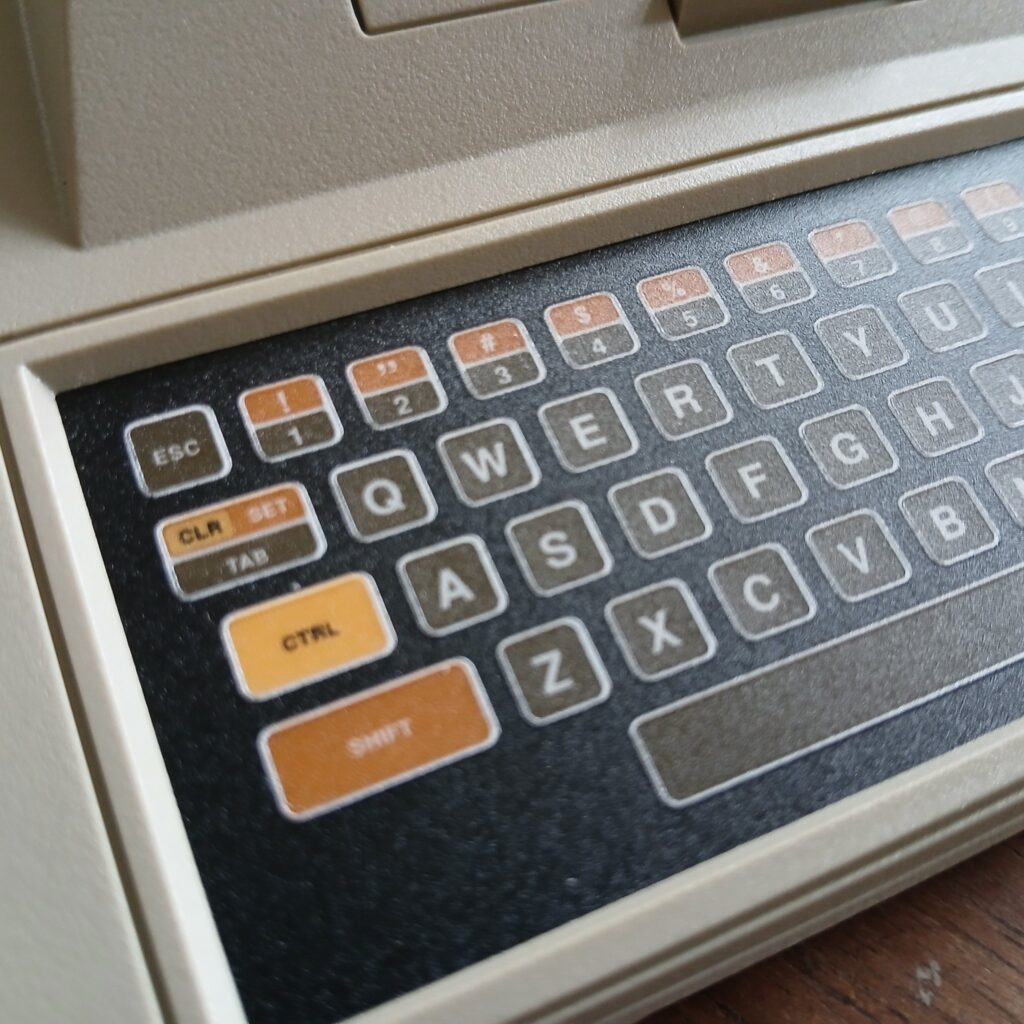
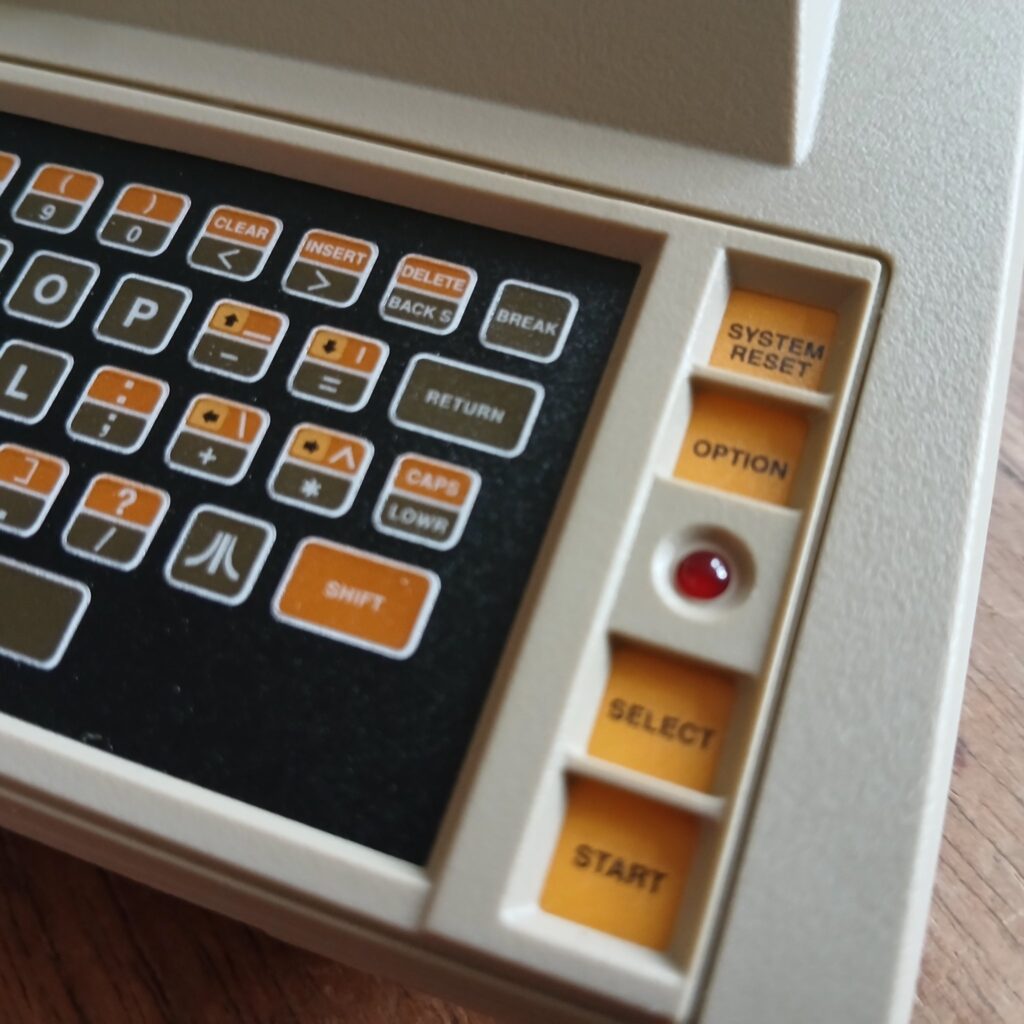
THE400 itself is a delightful thing, supremely lightweight (as you’d expect – all of these mini-consoles are utterly useless as paperweights) but looking fantastically weird if your idea of a computer is a desktop monstrosity or something with clickety-clack mechanical keys. What’s on the top doesn’t do anything – except for the red LED that lights up when the machine’s powered on – and you can’t lift the cover on the cartridge slot (which would have been a nice touch, but no doubt would have added to manufacturing costs). On the front, just like the 1979 model, you have four controller ports – these ones eschew the nine-pin joystick slots for USB functionality, meaning you can plug in other controllers you have lying around, as well as a keyboard if you need one. There’s another around the back for your side-loading needs, alongside the USB-C power socket, on/off switch and HDMI-out so you can hook this thing up to your most modern of telly boxes.
Running THE400 on a 4K display, obviously, obviously, you’re not going to be seeing things you wouldn’t on a more modest screen, but there’s no distortion, no weirdness, and everything’s crisp and clean at 720p. It works, basically. And it’d have worked to just throw in a fairly rudimentary controller – but instead, THE400 comes with a stick that looks like a regular CX-40 at first glance but quickly proves to be anything but. It sits in the hand just as it should, and its orientation can be switched to allow for easier left-handed play, but it’s all the extra buttons that really surprise. As well as the usual bright red fire button there’s a subtle, flush number on one corner of the stick’s base, and there are four buttons on the top-mounted ring, at left and right and up and down. What these buttons do can vary massively from game to game so always check the controls before you begin – and pay attention to the menu screen blurb, or else you be thrown into something with little idea of what to actually do. Without this basic information, which would have originally been in manuals, some of the games here are far from intuitive.
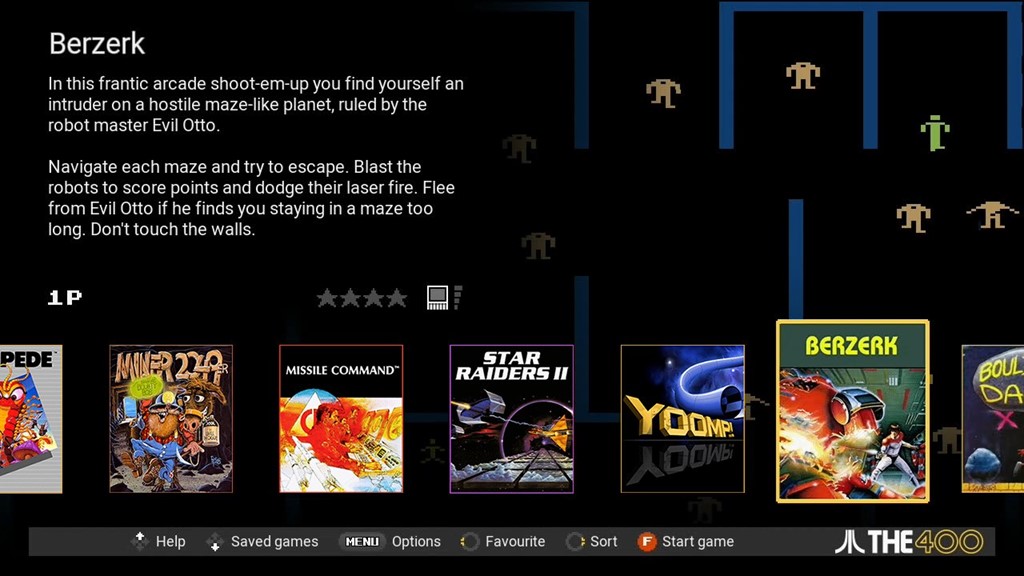
Movement on the self-centring stick is minimal – a far cry from wobbly Kempstons or Cheetahs you might have plugged into your Commodores in the past. It takes a moment to get used to, especially with so much travel on today’s analogue sticks, but a few rounds of Missile Command and it all comes together. It has a slightly rubberised feel, too – not to the extent where you fear it’ll degrade in no short time, but there’s a softness for sure. System and stick to one side, what you’re left with is a couple of leads in complementary colouring – a USB (A to C) power cable (you need to provide your own plug, as is usually the case with these products) and an HDMI lead which doesn’t allow you to have this too far from the TV. If you’ve not already got square (rectangular?) eyes, you’re about to.
Before you get to the games, there are options to consider. A variety of frames are available to fill the space left over by the 4:3 game screens (I prefer mine black, but you can pick from a snow-capped mountain range, some synth-wave-y purples, honeycomb hexagons and more), and you can add an underwhelming CRT effect if that’s your poison (absolutely not, in this house). There’s a choice between 50hz and 60hz output and other minor variables you can fiddle with if the mood takes you. And when you’re playing the games, you can take advantage of four save states per title and the ability to rewind your game up to 40 seconds – which may be a must if you’re as useless as I am when it comes to mapping up and down and left and right to on-screen isometric movement. I’m so sorry, Flip and Flop’s kangaroo and monkey.
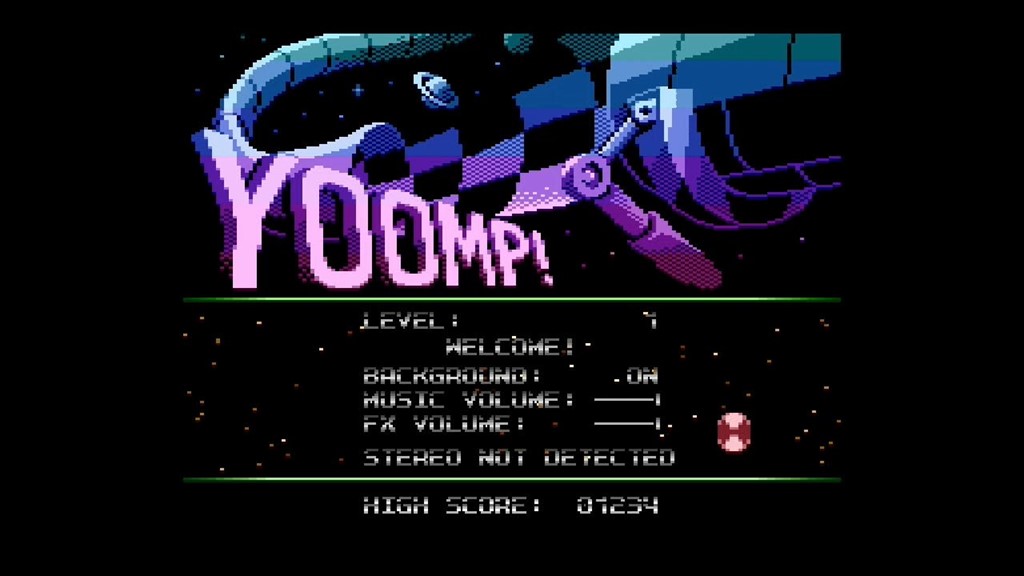
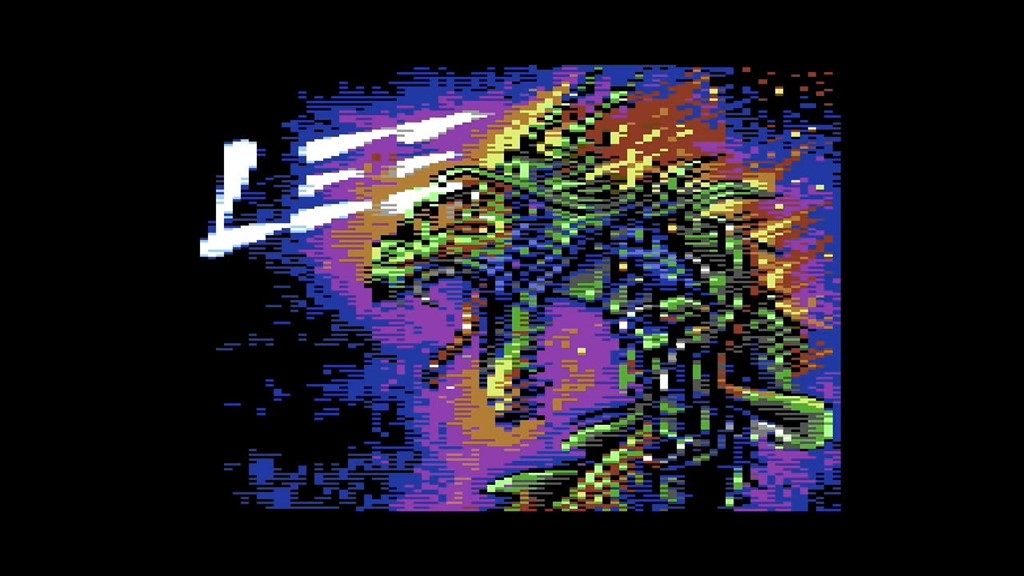
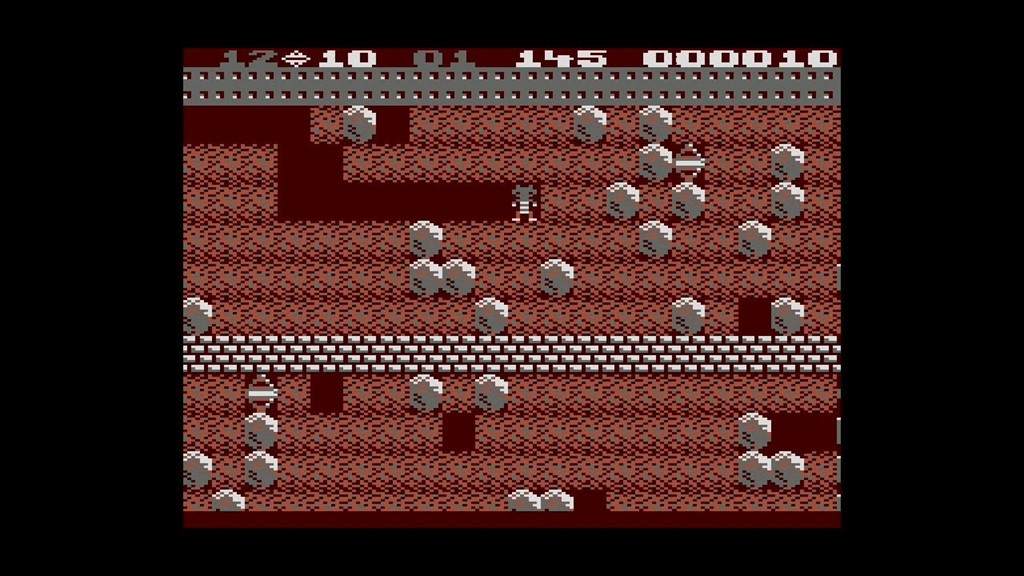
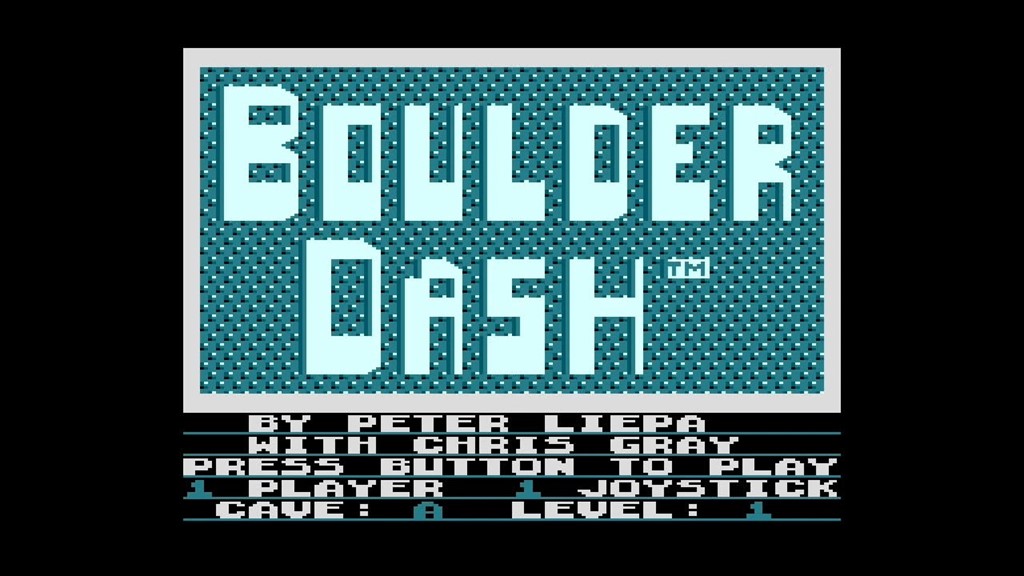
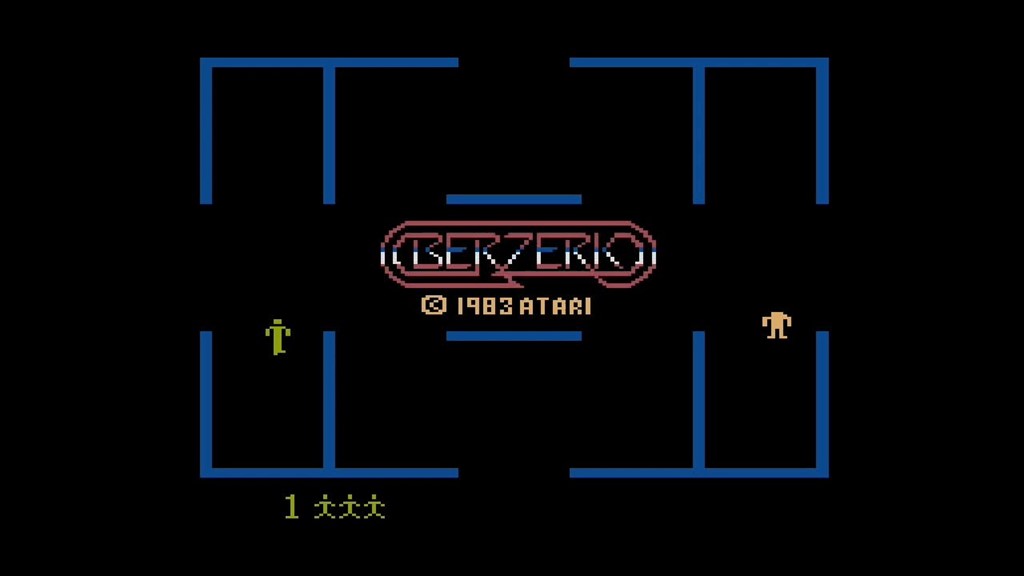
The 25 games included are as follows: Airball, Asteroids, Basketball, Battlezone, Berzerk, Boulder Dash, Bristles, Capture the Flag, Centipede, Crystal Castles, Elektra Glide, Encounter!, Flip and Flop, Henry’s House, Hover Bovver, Lee (originally known as Bruce Lee), M.U.L.E., Millipede, Miner 2049er, Missile Command, O’Riley’s Mine, Star Raiders II, The Seven Cities of Gold, Wavy Navy and Yoomp!. All bar the latter, a tubular racer-cum-puzzler where you guide a bouncing ball through a 3D cylinder, are very much of their (1970s and ‘80s) time, with all the presentation limitations you’d imagine. But most are worth checking out even if you’ve no nostalgic attachment to them. And don’t let those graphics fool you, because some of these go deep and others prove incredibly compelling.
I’m not about to detail them all, but I will highlight a few favourites. Both M.U.L.E. and The Seven Cities of Gold, developed by the maverick designer Danielle Bunten Berry and published by Electronic Arts, are fairly revolutionary affairs, with the first a real-time tactics experience that can be played by four people simultaneously (the computer fills in the blanks if you don’t have enough friends over or controllers to hand) and the second a proto-open-world game of exploration, trading and (if you choose to play in such a way) genocide. It’s not that open-world games today wouldn’t exist without Seven Cities, but its legacy as a ground-breaker makes it a must for any would-be gaming historian.
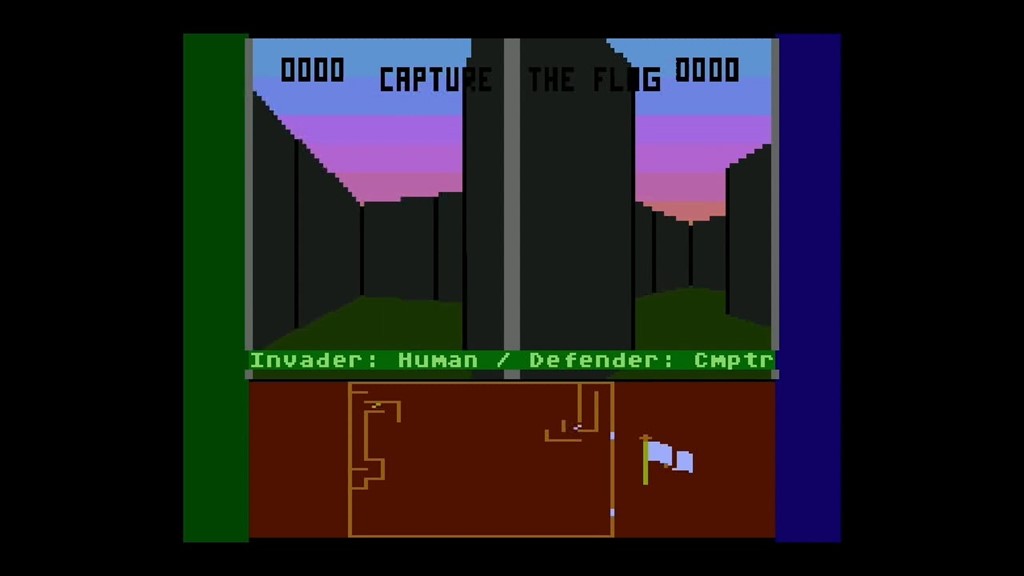
Capture the Flag is a 3D maze game best enjoyed by a pair of players (and shows how the Atari 400 could handle convincing three-dimensional playfields), and Hover Bovver is a very silly mow ‘em up from Jeff Minter, not as surreal as Attack of the Mutant Camels but in its own domesticated way just as idiosyncratic. Wavy Navy is a simple but very enjoyable fixed shooter in a Galaxian style, where you play as a ship bobbing about on the ocean waves; and Miner 2049er plays like Donkey Kong meets Burger Time (over a game of Snakes and Ladders) and is a brilliant little single-screen puzzle-platformer.
The arcade ports generally play just fine – Battlezone is a pleasingly green but slightly sluggish conversion of Atari’s famous 3D tank combat coin-op, and you can’t go wrong with the likes of Asteroids and Missile Command. As implied above, the isometric games just don’t agree with me (or at least me using this joystick), so I can’t make much headway with Crystal Castles – but that’s a me problem. Henry’s House and Elektra Glide – the former a frustrating platformer set in the royal household, the latter a speedy futuristic racer that’s a chore to control – are among the weaker picks, speaking personally, but compared to the Amiga-based A500 Mini this mini’s hit rate for pre-loaded bangers is far better. There’s far less filler on show here, making for a rewarding representation of what the Atari 8-bit family could deliver.
Could you ask for more? Of course, you could. Whatever the game list on products like this, there’ll be talk of titles missing. No doubt somebody’s groaning that THE400 isn’t compatible with original 1980s controllers, like the (completely different proposition) Atari 2600+ can. That keyboard not being useable? Pfft, what a rip. And so on. You can’t ever please everyone and it’s pointless trying. But for those of us who always love rediscovering amazing gaming history, systems that we never spent time with back in the day, ideally via incredibly convenient methods compatible with modern living and technology, products like this one tick enough boxes to feel worthwhile, to feel like good value, and to feel exciting. Sure, you can emulate these games on a biscuit nowadays, probably, but where’s the fun in that? Don’t be a me in the 1980s and ignore what’s going on here – the plastic might be faithfully dull but what’s inside bursts with a dazzling brightness.
This review was submitted by a friend of Fusion Mike Diver. He has been writing about games for many years and recently released two books. The Console is a broad 50-year history of console gaming, and you can check out our review before picking up a copy yourself. Mike also wrote From Coin-Ops to Table-Top, a wonderful book about the table-top games that were many gamers’ favourites during the 80s and 90s. We definitely recommend picking both of these up. A big thank you to Mike for his support of Fusion.